

Methane (CH₄) stands out as a super pollutant—a greenhouse gas with more than 80 times the warming power of carbon dioxide (CO₂) over the first 20 years after it enters the atmosphere. Although it persists for only about 12 years, methane’s high potency means it drives roughly 45% of recent net global warming and acts as a powerful climate “emergency brake.”
Tackling methane emissions offers a rapid, impactful means to slow the near-term rate of global temperature rise, protect public health, and buy critical time for longer-term carbon dioxide reductions that take decades to show effect.
Methane as a Super Pollutant: Potency and Sources
Methane’s climate impact outpaces its abundance because it traps heat about 80 to 86 times more effectively than CO₂ over a 20-year window. This makes methane reductions the fastest available leverage to curb warming in the near future.
About 60% of methane emissions result from human activities, including fossil fuel extraction and use, agriculture (notably enteric fermentation in livestock), landfills, and wastewater.
Natural sources like wetlands and thawing permafrost also emit methane, but are less subject to rapid mitigation efforts. Globally, methane has been responsible for roughly 30% of the warming observed since the Industrial Revolution. Its atmospheric concentration is rising faster today than since the 1980s, underscoring the urgency of action.
The Climate Emergency Brake: Why Methane Abatement Matters
Calling methane the climate “emergency brake” captures the unique role methane reduction plays in immediately slowing the pace of global warming, making it a critical complement to efforts that yield benefits more gradually. Cutting methane achieves:
- Up to 0.6°C reduction in warming potential by 2050 if rapid mitigation measures are implemented globally.
- Significant public health benefits by reducing ground-level ozone formation and air pollution linked to respiratory diseases, especially near methane sources.
- Improved food security by mitigating extreme temperatures that damage crops.
Global initiatives like the Global Methane Pledge aim to reduce methane emissions by at least 30% from 2020 levels by 2030, reinforcing methane abatement as a cornerstone of meeting 1.5°C climate goals.
Methane Emissions from Transportation and Maritime Shipping
While fossil fuel and agriculture sectors account for the majority of methane emissions, the transportation sector—including maritime shipping—also contributes significantly, and these emissions must be addressed in climate strategies.
Transportation Sector
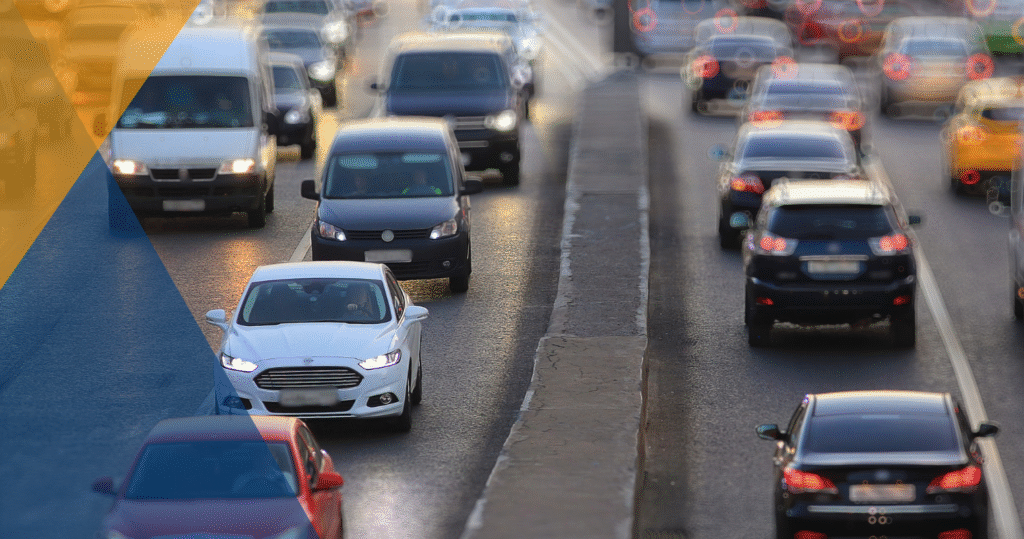
In the U.S., transportation accounts for about 28% of total greenhouse gas emissions. Methane comprises approximately 0.1% of these emissions, mainly released as unburned or partially combusted natural gas in vehicles using methane-rich fuels. Although a smaller fraction compared to CO₂, methane from transport has a disproportionate warming impact due to its potency.
Maritime Shipping
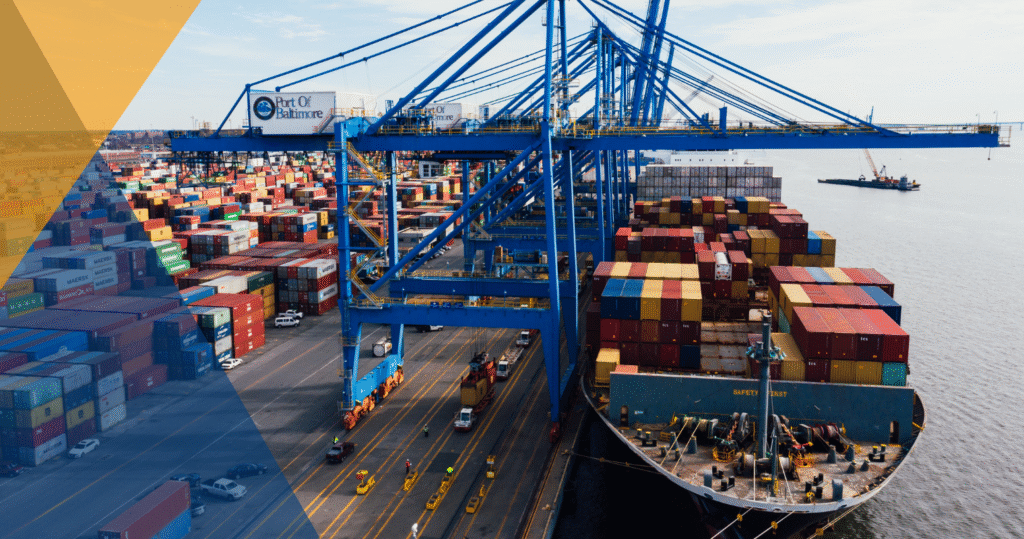
Maritime shipping, responsible for roughly 8% of global greenhouse gas emissions (11% including ports and warehousing), faces a complex methane challenge as it increasingly shifts to liquefied natural gas (LNG) to lower CO₂ emissions. LNG engines can emit methane through combustion slip and fugitive leaks during fuel handling
Uncontrolled methane emissions from shipping threaten to erode the climate benefits of LNG fuel and delay shipping sector decarbonization goals. Since many emissions occur near coastal and port areas, they pose local air quality and health risks as well.
The Importance of Methane Abatement in Transport and Shipping
Methane reductions in transportation and maritime sectors offer:
- Rapid climate benefits by cutting an especially potent warming agent from a growing global source.
- Protection for coastal communities and port cities from both climate impacts and air pollution.
- Support for global climate targets by linking methane abatement to broader decarbonization in energy and transport.
This necessitates focused policies including methane leak detection and repair, engine emission standards, and fuel system improvements in maritime and land transport. The U.S. EPA’s Methane Super Emitter Program is one such initiative targeting methane
reductions across oil and gas infrastructure, which complements methane action in transport fuel supply chains.
Moving Towards a Climate-Resilient Future
Methane’s status as a super pollutant and its outsized role as a climate emergency brake underscore the vital role of methane abatement in fighting climate change. Immediate actions targeting methane emissions in agriculture, fossil fuels, waste, transportation, and maritime shipping yield faster, larger climate and health benefits than CO₂ reductions alone can provide, buying crucial time to enact deep decarbonization pathways.
Efforts like the Global Methane Pledge and emerging regulations are rallying governments, industries, and communities to meet the methane challenge head-on. Addressing methane comprehensively across all sectors, including transport and shipping, is essential for achieving near-term climate goals, protecting public health, and ensuring a sustainable future.
This knowledge paves the way for targeted climate policies and technological innovation focused on methane reduction that can deliver powerful, immediate dividends toward stabilizing the climate system and improving quality of life globally.
CDTi Takes Action
At CDTi, we are leading the way by focusing on innovative emission reduction solutions, including advanced methane abatement technologies for the transport and shipping industries. Discover how our cutting-edge solutions for marine engines and comprehensive range of emissions control products, featuring specialized catalyst elements are helping industries reduce methane emissions today.