

Methane is a tough molecule to tame. It is stable, stubborn, and costly to convert once it reaches the catalyst. Most systems rely on a methane oxidation catalyst packed with precious metals like platinum and palladium. That hardware is valuable, and for good reasons. But the real difference in system performance starts before methane ever reaches that catalyst.
CDTi’s methane emissions abatement solution is built as a two-stage approach.
- Downstream sits the methane oxidation catalyst that delivers the final conversion. This is where CDTi’s proprietary technology lives.
- Upstream sits the unsung hero guarding your investment and keeps conversion levels high over time.
The Real World Challenge Is Not Methane. It Is Sulfur.
Trace sulfur in exhaust is small in quantity but heavy in consequence. When sulfur makes contact with the methane oxidation catalyst, they form a compound that deactivates the precious metals doing the work. Catalyst activity drops. Conversion falls. Costs rise as assets need regeneration or replacement.
Preventing deactivation is the smartest dollar a work or industrial site can spend,
which is why CDTi leads with a sacrificial sulfur adsorber designed for broad spectrum of operation.
CDTi’s Proprietary Sulfur Adsorber
CDTi’s sacrificial sulfur adsorber captures sulfur before it reaches the methane oxidation catalyst. It is not a filter. It is an engineered material system tuned to interact with sulfur species under real operating conditions.
What sets it apart
- High uptake across the duty cycle
The material loads sulfur efficiently during warm up, transient operation, and steady state. Consistency keeps downstream catalyst surfaces clean and active. - Performance at low temperature
Engines spend meaningful time at low temperature during startup and early ramp. Many sulfur traps do little in this window. CDTi’s material is active when temperatures increase, which is exactly when protection is most needed. - Protection of precious metal assets
By holding sulfur ahead of the methane oxidation catalyst, the trap preserves platinum and palladium function, keeping light off low, conversion high, and replacement intervals farther apart. - System stability over time
Reducing sulfur exposure prevents irreversible poisoning that would otherwise demand frequent maintenance, which supports predictable compliance and uptime.
Why Low Temperature Protection Matters
Methane oxidation catalysts reach full activity only after temperature rises. Sulfur poisoning can begin before that point. If the adsorber is inefficient during early operation, damage can occur long before the catalyst is ready to perform.
CDTi’s sulfur trap addresses this gap with meaningful capacity and kinetics at low temperature. In practice that means the expensive part of the system remains protected from the first minutes of operation.
What This Means for Operators
- Lower total cost of ownership
Protecting precious metals extends useful life and reduces the frequency of changeouts. - Stable conversion under real world conditions
Warm up, load swings, and idling are part of daily operation. The guard is designed for these realities. - Simpler maintenance planning
With sulfur managed upstream, the methane oxidation catalyst maintains activity longer, which supports consistent performance between planned service intervals.
Where the Sulfur Trap Fits
The system supports methane control for natural gas and other methane rich exhaust sources across applications such as power generation, data centers, co-generation, gas compression, and LNG fueled marine engines. The two-stage design integrates readily with existing layouts and can be configured for new equipment or retrofits.
How The Two Stage Sulfur Trap System Works
- Sulfur trap Exhaust enters the sacrificial absorber. Sulfur species are captured and bound within the guard material. Methane passes through unchanged.

- Methane oxidation catalyst
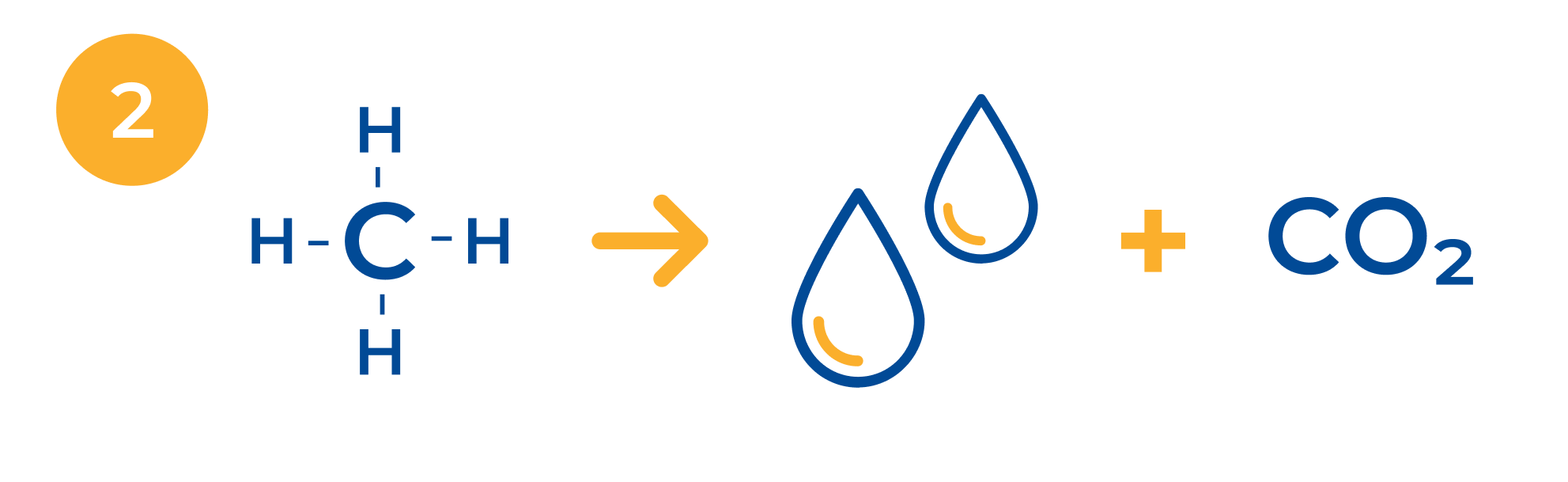
With sulfur out of the way, the precious metal catalyst does what it was designed to do. Methane is oxidized to carbon dioxide and water with strong conversion efficiency across the duty cycle.
The outcome is straightforward. The right chemistry in the right order delivers higher performance for longer.
A Practical Path to Lower Methane Intensity
Global methane emissions targets are tightening, and operators are looking for answers that work in the field. CDTi’s approach recognizes that protecting the investment is as important as achieving conversion on day one.
By removing sulfur before it can do damage, the system keeps performance on track and helps operators make measurable progress on methane intensity without constant intervention.
What Comes Next
CDTi continues to refine the sulfur guard formulation and system integration to address new fuels, evolving duty cycles, and next generation engine platforms. The focus is steady. Learn more about how CDTi can help your operation make methane control more reliable, protect precious metal assets, and deliver results that hold up under real operating conditions.